
Written by Amanda Dzengeleski
Our next Osteoporosis and Yoga Workshop is on Saturday, July 25th! Whether you’re living with osteoporosis or want to learn how to protect an aging spine, this experiential workshop will offer valuable insights for both students and teachers alike. We’ll explore safe and empowering ways to practice and teach yoga for osteoporosis, focusing on strength, resilience, and mindful movement. In-person space is limited, sign up now to reserve your spot,, or join us online via Zoom. A recording of the workshop will be available for 14 days for all who register!
In recent years, neuroscience and trauma-informed approaches such as the Community Resiliency Model (CRM), developed by the Trauma Resource Institute, have helped give language to something yogic traditions have long understood: the body carries information, and learning to listen to it can support regulation and resilience.
At the heart of CRM is the understanding that our nervous systems are constantly responding to the world around us. Stress responses are not signs of weakness or failure. They are biological survival responses designed to protect us. While every human nervous system follows the same basic patterns, each person’s system has been shaped by different life experiences. No two nervous systems tell the exact same story.
So often, people judge themselves for feeling anxious, shut down, reactive, disconnected, or overwhelmed. CRM reframes these experiences not as character flaws, but as adaptive responses from a nervous system doing its best to maintain safety.
Yoga offers a similar invitation.
In practice, we begin to observe the changing landscape of sensation within the body. Perhaps we notice tightness in the jaw, warmth in the hands, heaviness in the chest, or softness in the breath. We learn that sensations are constantly shifting and can be experienced as pleasant, unpleasant, or neutral.
This process of noticing internal sensations is what neuroscience calls interoception, or our ability to sense and interpret signals arising from within the body. Research highlighted by Elaine Miller-Karas, founder of the Trauma Resource Institute, explains that strengthening awareness of these internal sensations can improve emotional awareness and regulation over time. As we learn to track sensations and recognize when we are moving toward or away from our “Resilient Zone,” we strengthen the nervous system’s capacity to return to regulation. Every time we soften attention away from unpleasant sensations and orient toward something more neutral or pleasant, we are strengthening our capacity for resilience.
It’s important to note, this is not about bypassing discomfort or pretending difficult sensations do not exist. CRM teaches that within awareness lies choice. When we become aware of what we are sensing, we train up our ability to shift our attention toward experiences that feel more resourcing. Yoga helps cultivate this skill in real time.
We may enter practice feeling dysregulated, but through mindful attention begin to notice moments of steadiness. Not because the stress magically disappears, but because the nervous system is being offered another experience - one rooted in safety, connection, and presence.
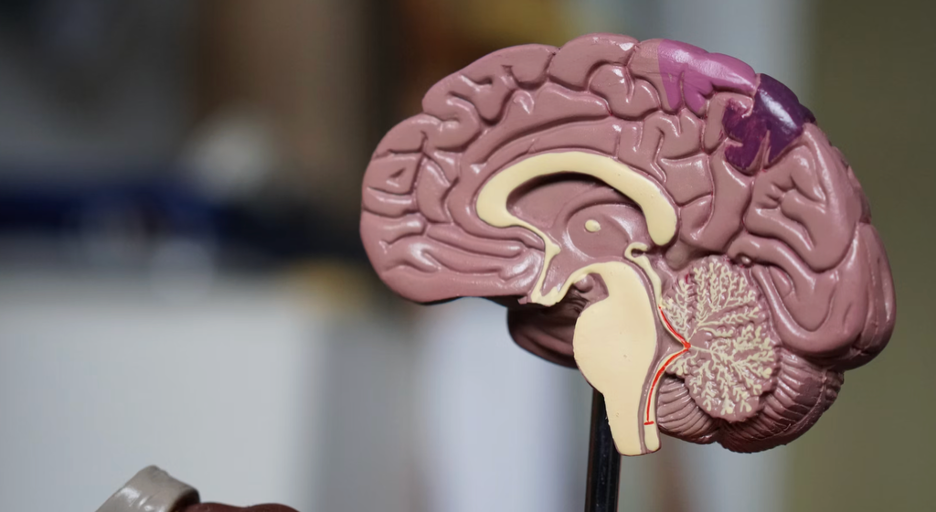
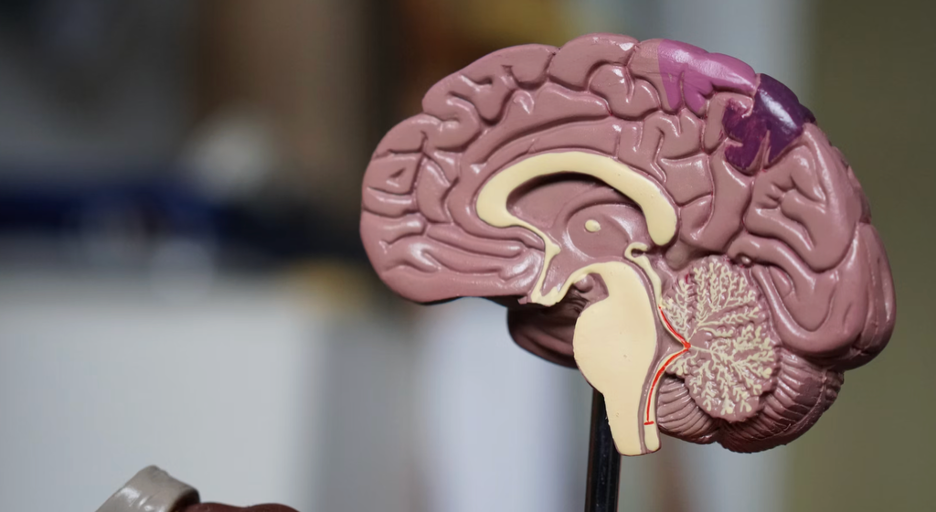
Research in neuroplasticity shows that the brain and nervous system are continually shaped by repeated experiences. Just as chronic stress can strengthen pathways associated with survival responses, repeated experiences of safety and regulation can strengthen pathways associated with resilience.
Elaine Miller-Karas describes how each time a person practices CRM skills and returns toward their resilient zone, the nervous system reinforces pathways connected to regulation. Stressful experiences leave imprints, but so do restorative ones. Experiences of kindness, support, stability, empowerment, and safety also become embedded within us.
Resilience is not something we either have or do not have. Like strength or flexibility, it can be cultivated. The nervous system can learn, adapt, and grow through repeated practice.
And perhaps this is one of yoga’s greatest offerings - not the pursuit of perfection, but the gradual remembering that within the body lives an innate wisdom.